
Unilever in India - Managing Working Capital
🌐 International Buyers — Pay via PayPal
Details
FINA009
9
2004
NO
300
Unilever N.V.
Food & Beverage
India
Working Capital Management
Abstract
Unilever's Indian subsidiary, Hindustan Lever Limited (HLL) is the country's largest FMCG (fast moving consumer goods) company. It has brands spread across 20 distinct consumer categories. HLL holds a place of pride in the Unilever global system. In India, HLL is known for its tight management of working capital and the company has been operating with a negative working capital since 2000. But the management realises that as competition intensifies, there is still scope for improving operational efficiency and cutting working capital needs.
Learning Objectives
The case is structured to achieve the following Learning Objectives:
- 0
Contents
Our capital to turnover ratio is 1:4 and last year we used zero working capital.
- M.S. Banga, Chairman, HLL
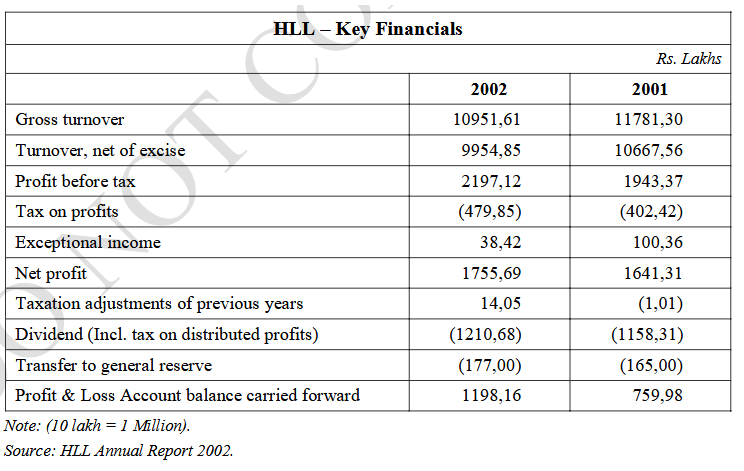
Hindustan Lever Limited (HLL), India's largest fast moving consumer goods (FMCG) company, had brands spread across 20 distinct consumer categories. The company touched the lives of two out of three Indians and generated sales of Rs.10,000 crores in 2002. In 2002, Asiamoney had rated HLL as one of India’s best-managed and most respected companies. HLL was also number one in Market Value Added and Economic Value Added according to the magazine. Unilever, which held 51.55% of the equity of HLL was a Fortune 500 transnational, that sold Foods and Home and Personal Care brands through 300 subsidiary companies in about 100 countries worldwide with products on sale in a further 50 countries. HLL held a place of pride in the Unilever global system. In India, HLL was known for its tight management of working capital. The company had been operating with a negative working capital since 2000. But the management realized that as competition intensified, there was still scope for improving operational efficiency and cutting working capital needs.
Exhibit I
 |
In the summer of 1888, visitors to the Kolkata harbor noticed crates full of Sunlight soap bars, embossed with the words "Made in England by Lever Brothers". With it, began an era of marketing branded FMCG goods in India. Lifebuoy was introduced in 1895 and other famous brands like Pears, Lux and Vim followed. Vanaspati was launched in 1918 and the famous Dalda brand came to the market in 1937. In 1931, Unilever set up its first Indian subsidiary, Hindustan Vanaspati Manufacturing Company, followed by Lever Brothers India Limited (1933) and United Traders Limited (1935). These three companies merged to form HLL in November 1956. HLL offered 10% of its equity to the Indian public, becoming one of the first among the subsidiaries of MNCs operating in India to do so. Unilever, which gradually divested its stake in HLL, held a 51.55% stake in the company. The rest of the shareholding was distributed among 380,000 individual shareholders and financial institutions.
The erstwhile Brooke Bond's presence in India dated back to 1900. In 1903, the company launched Red Label tea. In 1912, Brooke Bond & Co. India Limited was formed. Brooke Bond joined the Unilever fold in 1984, following an international acquisition. The erstwhile Lipton's links with India were forged in 1898. Unilever acquired Lipton in 1972. In 1977, Lipton Tea (India) Limited was incorporated. Pond’s (India) Limited had been present in India since 1947. It joined the Unilever fold following the acquisition of Chesebrough Pond’s USA in 1986.
India’s economic liberalization, which started in 1991, marked an inflexion point in HLL's growth curve and allowed the company to explore new business opportunities. Deregulation permitted alliances, acquisitions and mergers. In one of the most celebrated events in Indian corporate history, the erstwhile Tata Oil Mills Company (TOMCO) merged with HLL, effective from April 1, 1993. In 1995, HLL and yet another Tata Group company, Lakme Limited, formed a 50:50 joint venture, Lakme Lever Limited, to market Lakme's cosmetics and other products of both the companies. In 1998, Lakme Limited sold its brands to HLL and divested its 50% stake in the joint venture to the company. HLL formed a 50:50 joint venture with the US-based Kimberly Clark Corporation called Kimberly-Clark Lever Ltd, which marketed Huggies Diapers and Kotex Sanitary Pads.
In 1992, Brooke Bond India acquired Kothari General Foods, with significant interests in Instant Coffee. In 1993, it acquired the Kissan business from the UB Group and the Dollops Icecream business from Cadbury India. Also, Tea Estates and Doom Dooma, two plantation companies of Unilever, were merged with Brooke Bond.
In July 1993, Brooke Bond India merged with Lipton India, to form Brooke Bond Lipton India Limited (BBLIL). In 1994, BBLIL launched the Wall's range of Frozen Desserts. By the end of the year, the company entered into a strategic alliance with the prmoters of Kwality Ice-cream. In 1995, the Milkfood 100% Ice-cream marketing and distribution rights too were acquired. Finally, BBLIL merged with HLL, with effect from January 1, 1996. In 1998, Ponds India was merged with HLL. With this merger, HLL got the highly popular Pond’s Dreamflower Talc, which had a 53 per cent share of the Rs 250-crore talcum powder market. Apart from Pond's Dreamflower, the company also had Pond's Dreamflower Magic, and Pond's Sandal Talc.
In January 2000, the Indian government decided to award a 74 per cent equity stake in Modern Foods to HLL. In 2002, HLL acquired the government's remaining stake in Modern Foods. In 2003, HLL acquired the Cooked Shrimp and Pasteurized Crabmeat business of the Amalgam Group of Companies, a leader in value added Marine Products exports.
Exhibit II
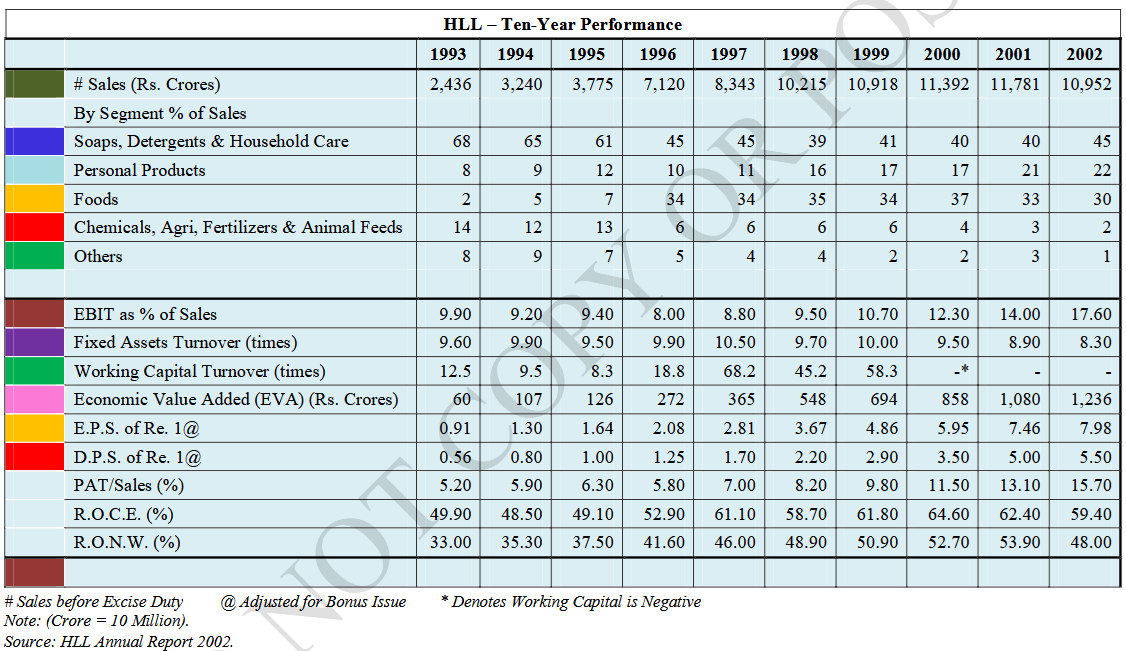 |
Unilever companies in India integrated all aspects of finance, accounting and logistics into one all-embracing commercial function. “Commercial” focused on cutting working capital requirements through innovative supply chain management and use of Information Technology to improve the efficiency of transactions. With sales plateauing in the last few years, working capital efficiency had become one of the prime drivers of operating margins for HLL.
In 2002, HLL’s net current assets (current assets – current liabilities) as a percentage of sales was only 2% compared to nearly 20% for competitors like Godrej Soaps. This meant that, if this shortfall were to be funded through borrowings, Godrej Soaps would need a much larger amount than HLL. Due to better working capital management, HLL’s liquidity was higher as compared to Godrej Soaps.
Exhibit III
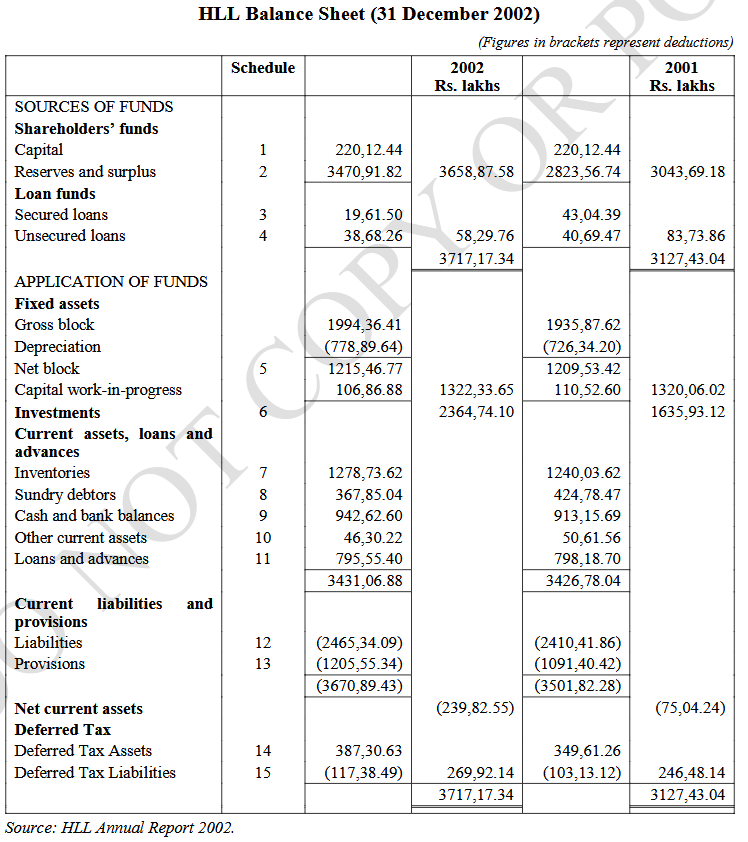 |
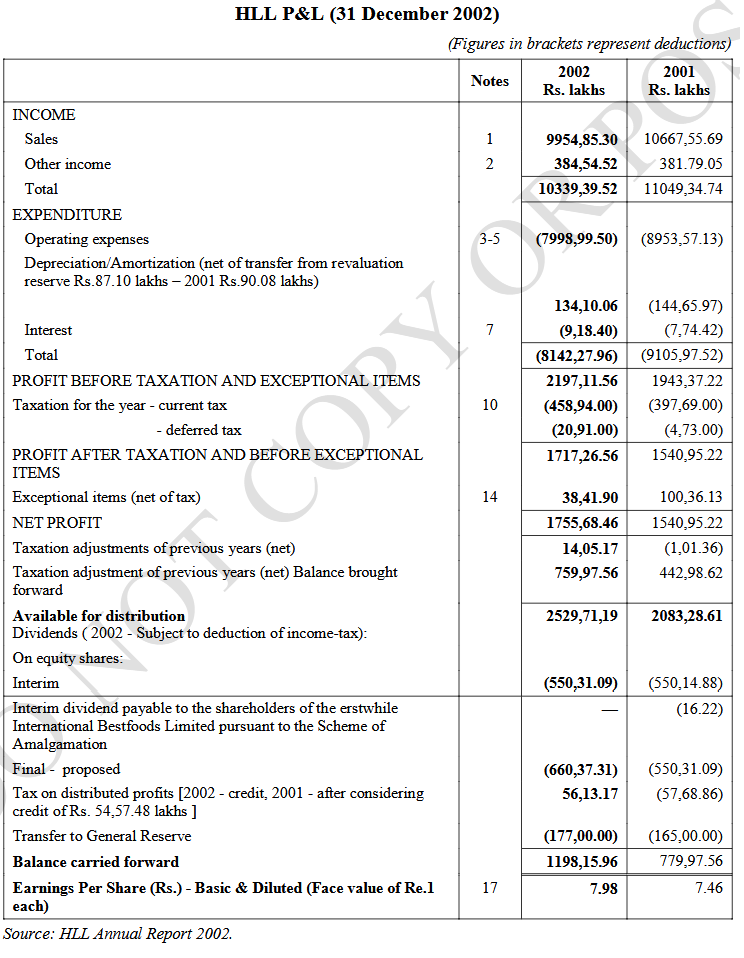
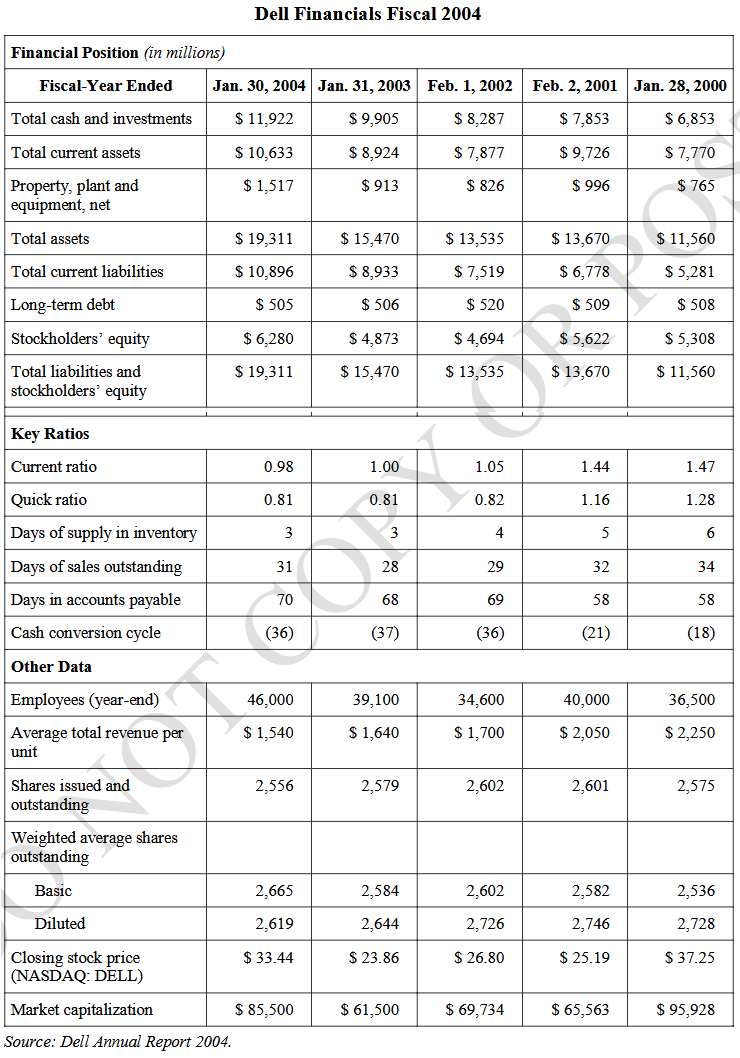
Shiva Shankar, a young MBA had joined HLL in its Corporate Finance Department. His supervisors asked him to understand and analyze the financials of the company and make suggestions on further improving HLL’s working capital management. The supervisors had suggested to Shiva to compare the inventory management of HLL with that of Dell, one of the most efficient companies in the world in working capital management. Shiva Shankar also had to suggest what best practices of Dell, could be replicated.
Exhibit IV
 |
Dell, the world's #1 direct-sale computer vendor, competed with Hewlett-Packard for the worldwide PC market. In addition to a full line of desktop and notebook PCs designed for consumers, Dell offered network servers, workstations, storage systems, and Ethernet switches for enterprise customers. The company also sold hand held computers, and it marketed third-party software and peripherals. Dell's growing services unit provided systems integration, support, and training.
Exhibit V
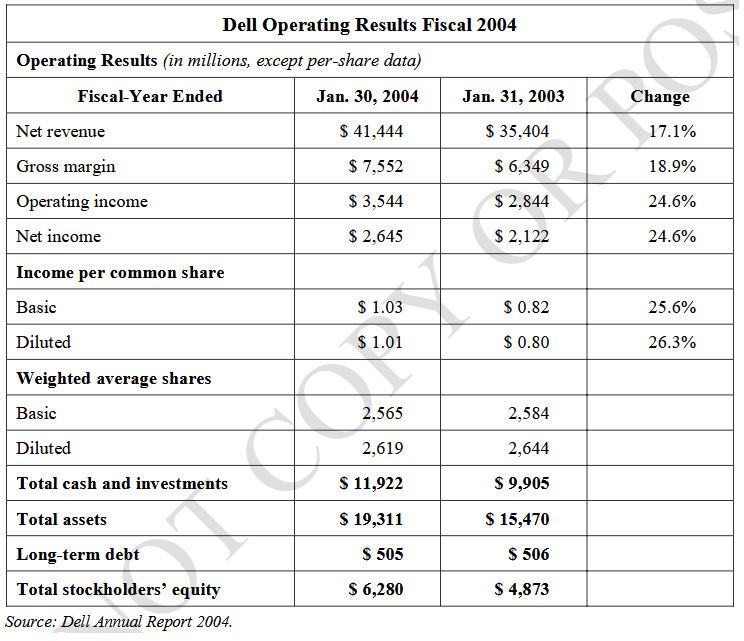 |
Exhibit VI
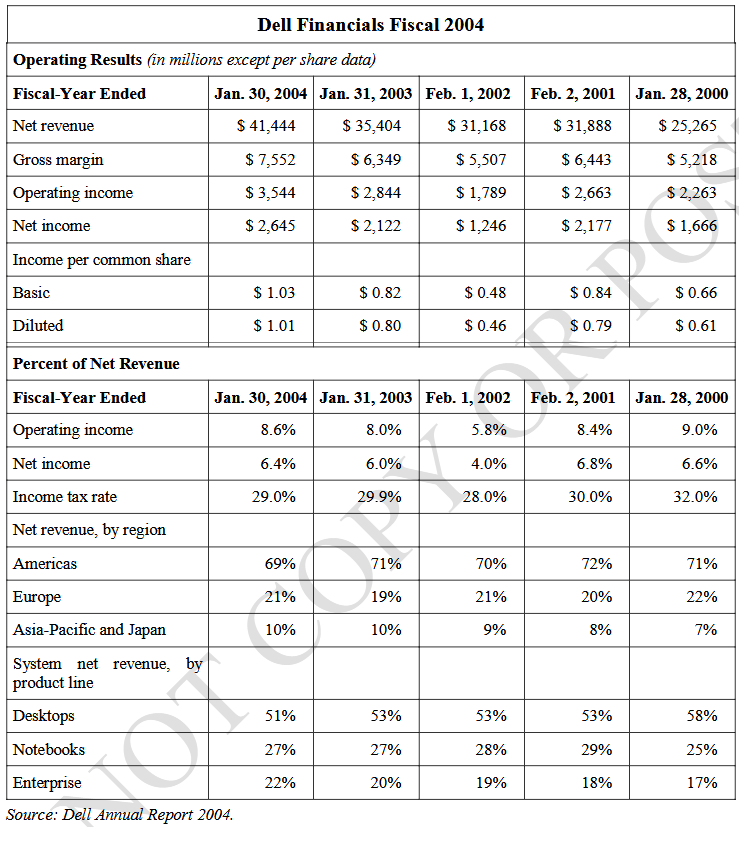 |
Exhibit VII
 |
Keywords
Unilever in India, Hindustan Lever Limited, HLL, Working capital, Banga, Fast moving consumer goods, Market value added, Economic value added, Financials, Balance sheet, Profit and loss, Dell, Finance case, Operational efficiency, Working capital needs
Related Case Studies
| Case Title | Details | Price | Add to Cart |
|---|---|---|---|
|
Case Title Implementing a Zero Debtor Policy through Channel Financing in an MNCCase Code: FINC089 |
Details | 400 | Add to Cart |
|
Case Title Intel : Managing Working CapitalCase Code: FINA010 |
Details | 300 | Add to Cart |
|
Case Title Liquidity Assessment of Infosys LimitedCase Code: FINC164 |
Details | 300 | Add to Cart |
|
Case Title Operational Performance of Cipla Limited - An OverviewCase Code: FINC153 |
Details | 350 | Add to Cart |
|
Case Title Dr. Reddy Laboratories’ Profitability – An OverviewCase Code: FINC152 |
Details | 350 | Add to Cart |